
Science
The Science of Exosomes
Understanding how cells communicate.
Exosomes are one of the most closely studied subjects in modern cell biology. The overview below summarizes current published understanding of the field, with links to the peer-reviewed literature so readers can review the research directly.
01
What Exosomes Are
Nanoscale messengers released by nearly every cell.
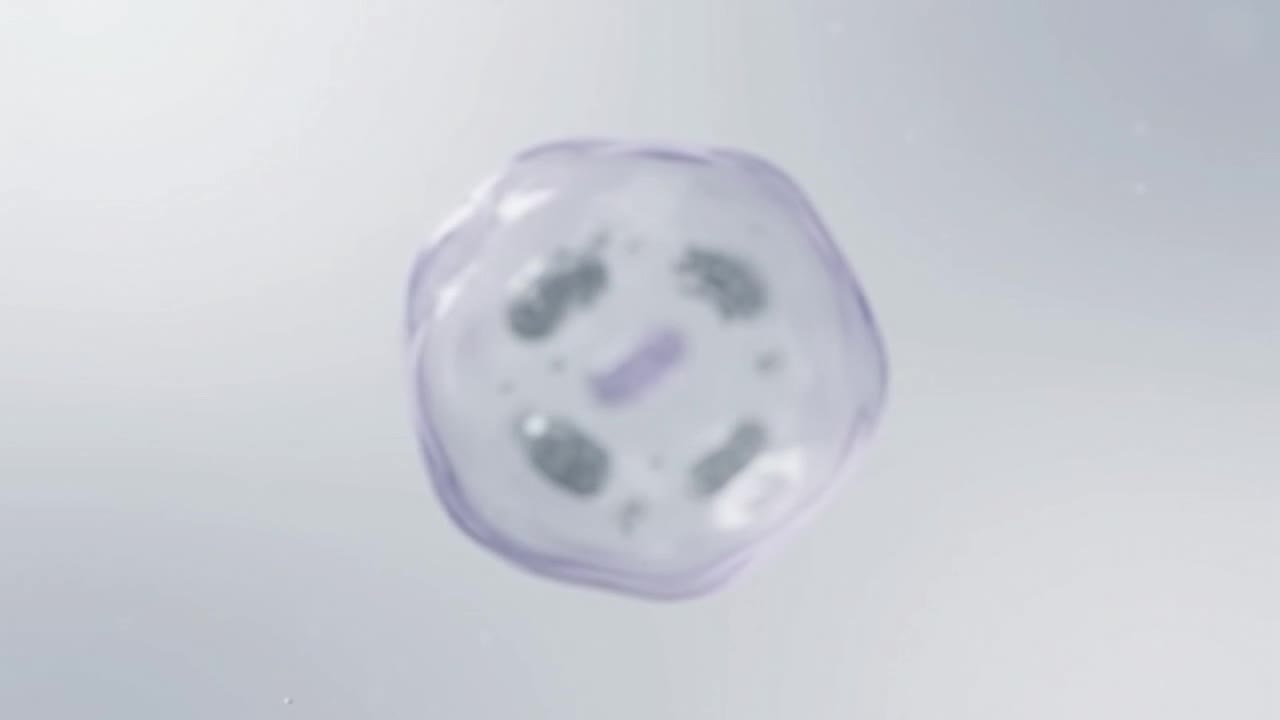
Exosomes are extremely small, membrane-enclosed vesicles, roughly one-thousandth the width of a human hair, released by nearly every cell type in the body. Each one carries a cargo of proteins, lipids, and genetic material that reflects the cell it came from.
02
How They Form
Born inside the cell, released at its surface.
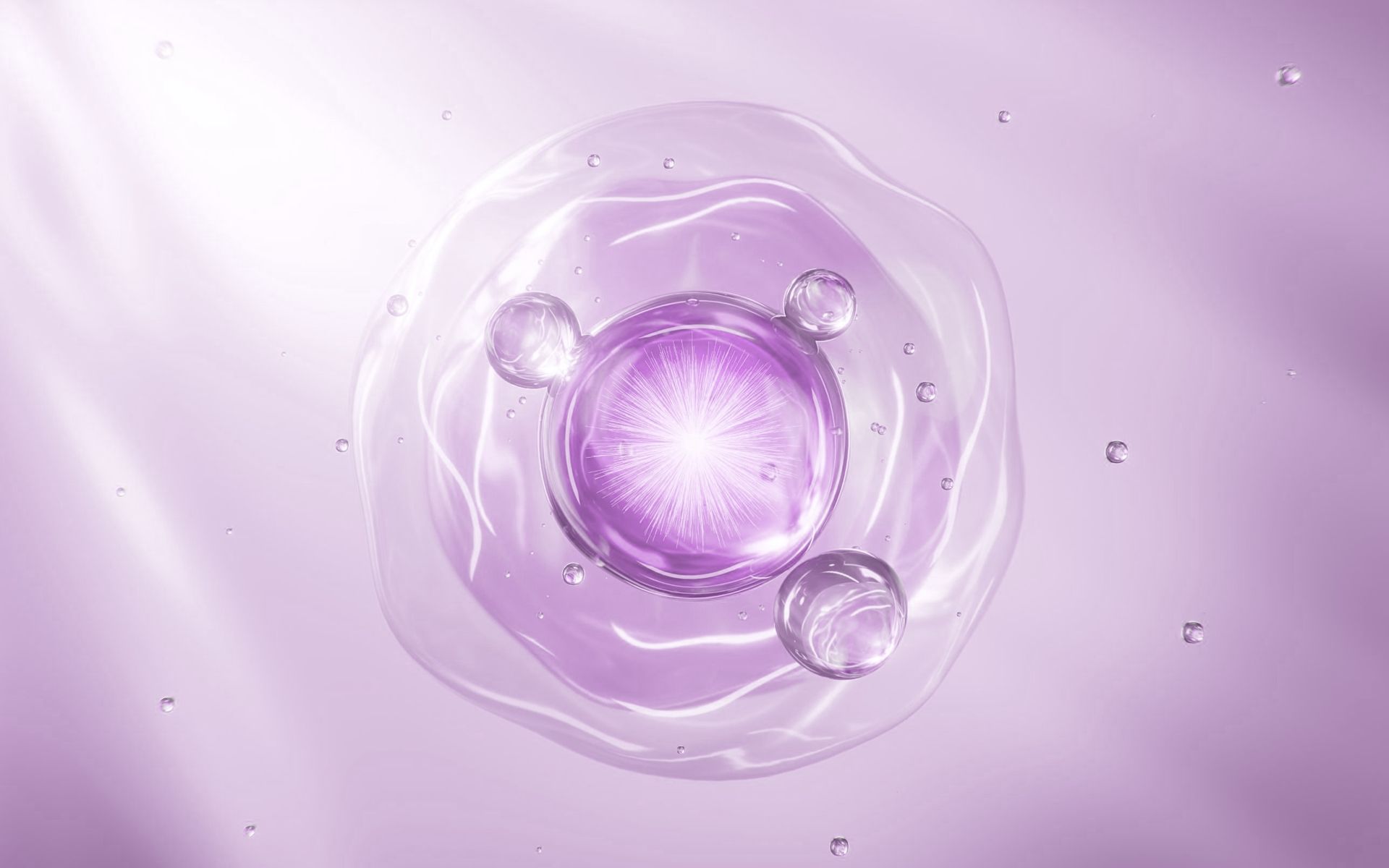
Exosomes originate inside the cell, within compartments of the endosomal system. Small vesicles accumulate inside a larger compartment known as a multivesicular body. When that compartment fuses with the cell’s outer membrane, the vesicles are released into the surrounding environment, where they can travel to neighboring or distant cells.
03
How Cells Use Them to Communicate
From cellular waste to cellular language.
Once considered a way for cells to discard unwanted material, exosomes are now understood to be an additional pathway of cell-to-cell communication. By transferring proteins, lipids, and genetic material, they may influence how recipient cells behave, and they are being studied for their roles in both normal physiology and disease.
04
Wharton’s Jelly
A source of mesenchymal stem cells of growing scientific interest.
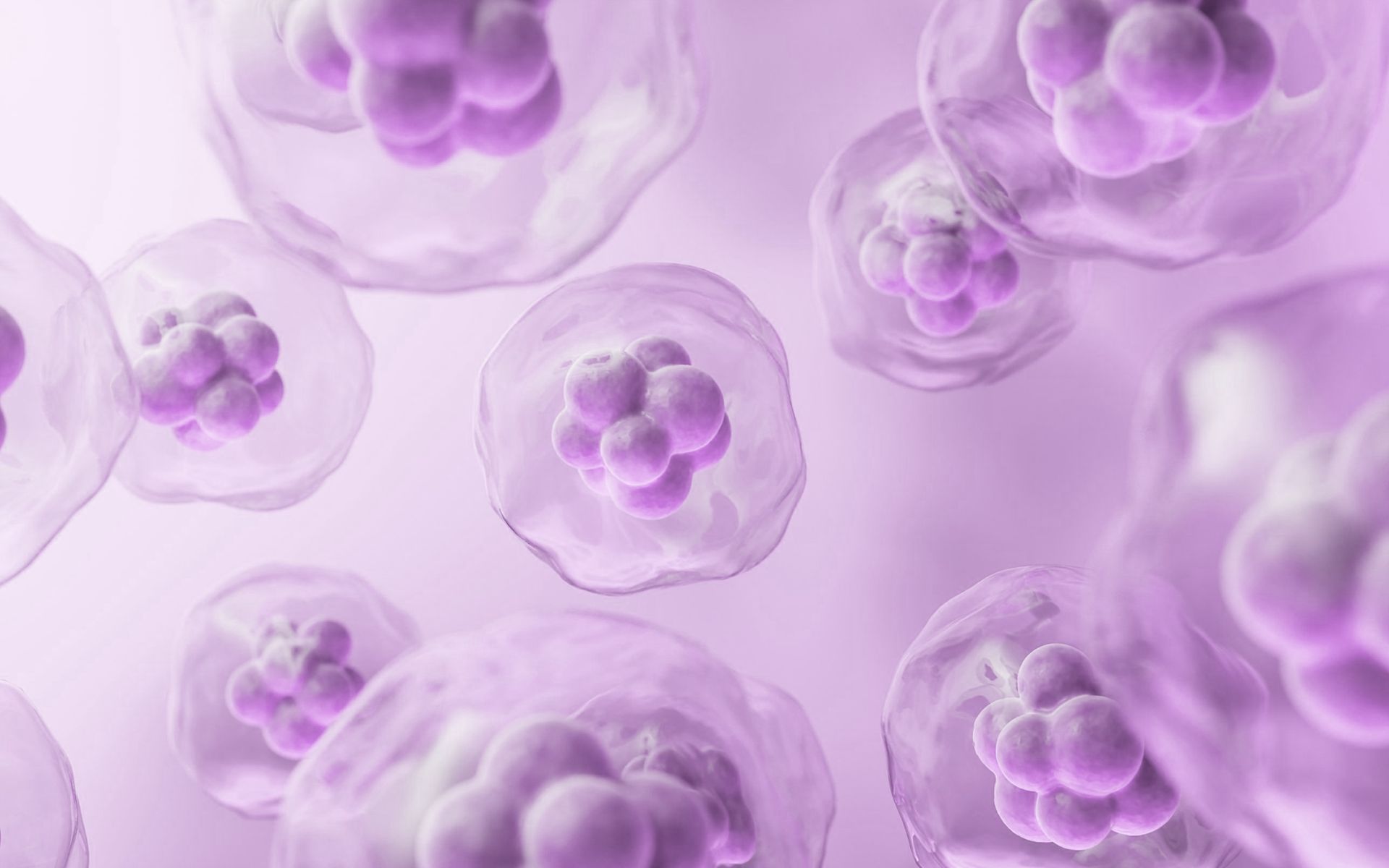
Wharton’s jelly is the gelatinous connective tissue of the umbilical cord. It contains mesenchymal stem/stromal cells that can be collected after birth, through a non-invasive procedure, from tissue that is otherwise discarded. Researchers are studying these cells, and the exosomes they release, with growing interest because of their biological characteristics and the ethical simplicity of their source.
05
Exosomes from Mesenchymal Stem Cells
A cell-free avenue for scientific study.
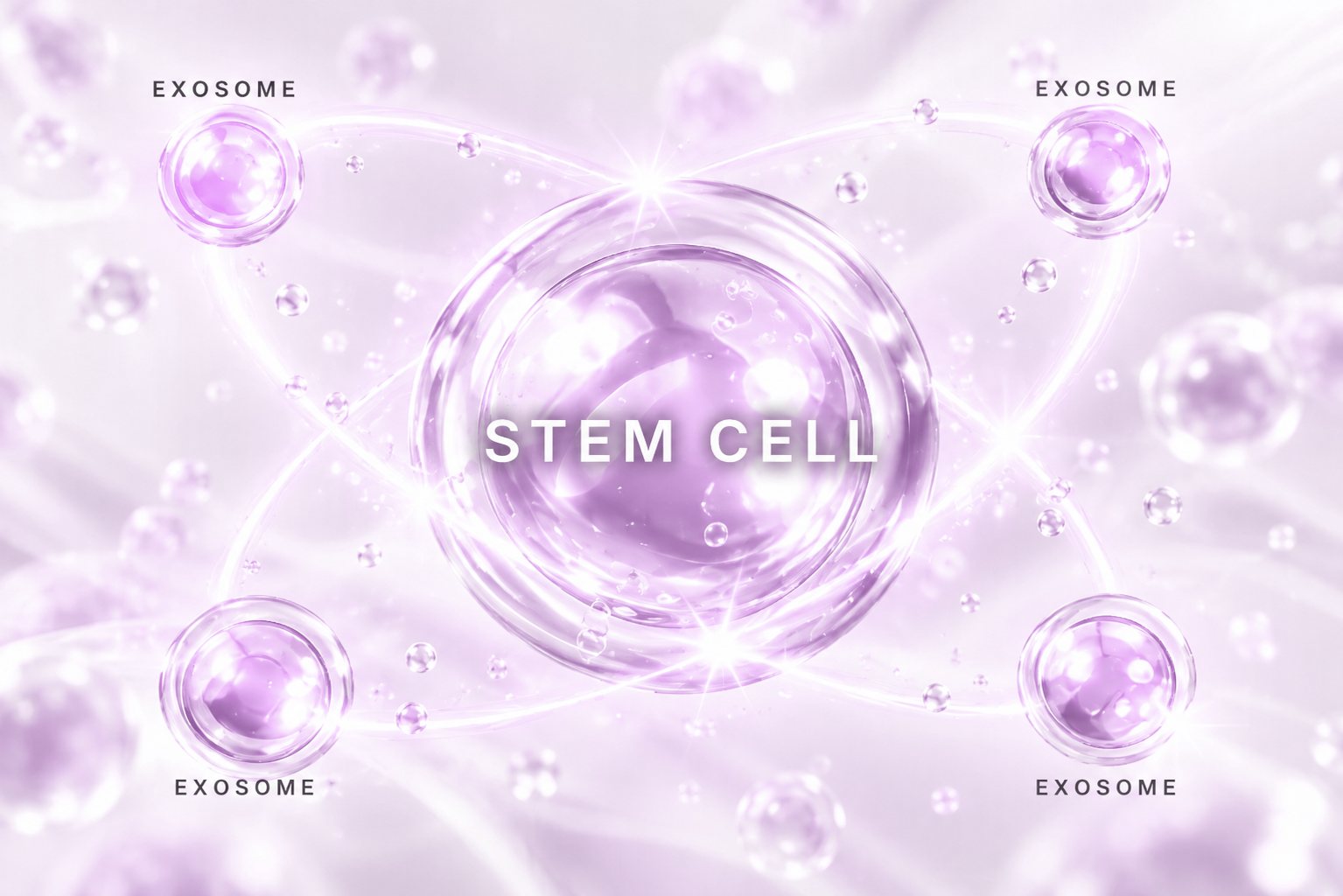
Mesenchymal stem cells release exosomes as part of their natural signaling activity. Researchers are investigating whether these vesicles may account for many of the effects previously attributed to the cells themselves, and whether they may offer a cell-free avenue for future study.
06
Where the Research Is Heading
Promising directions, substantial work ahead.
Exosomes are being investigated as potential diagnostic markers, as natural carriers for delivering therapeutic molecules, and as candidates for regenerative research. Significant scientific, manufacturing, and regulatory work remains before such applications can be established.

07
Scientific Standards
Shared rules for rigorous, reproducible research.
The international research community has developed shared guidelines for how extracellular vesicles are produced, separated, characterized, and reported, so that findings can be reproduced and compared across laboratories. The most recent edition was developed by more than a thousand contributing researchers worldwide.

Further Reading
Selected Publications
The biology, function, and biomedical applications of exosomes
Kalluri R, LeBleu VS · Science, 2020
Shedding light on the cell biology of extracellular vesicles
van Niel G, D’Angelo G, Raposo G · Nature Reviews Molecular Cell Biology, 2018
Wharton’s jelly mesenchymal stem cells: a concise review of their secretome and prospective clinical applications
Drobiova H, Sindhu S, Ahmad R, Haddad D, Al-Mulla F, Al Madhoun A · Frontiers in Cell and Developmental Biology, 2023
Mesenchymal stem cell-derived exosomes: applications in regenerative medicine
Hade MD, Suire CN, Suo Z · Cells, 2021
Extracellular vesicles as a next-generation drug delivery platform
Herrmann IK, Wood MJA, Fuhrmann G · Nature Nanotechnology, 2021
Minimal information for studies of extracellular vesicles (MISEV2023): from basic to advanced approaches
Welsh JA, et al. · Journal of Extracellular Vesicles, 2024
Publications listed are independent third-party research provided for educational purposes. Their inclusion does not suggest that any Clean Nexus Global™ program, partner, or material produces similar results.
Regulatory Context
Research within the regulatory framework.
Exosome products intended for human use are regulated by the U.S. Food and Drug Administration. There are currently no FDA-approved exosome products. Clean Nexus Global™ supports investigational research only through authorized entities and partner institutions, under applicable regulatory oversight in each jurisdiction.
For Qualified Professionals
Program information is shared in confidence.
Detailed research program information is available only to verified professionals and institutions, under a Non-Disclosure Agreement.